
InspectAPedia® FREE Encyclopedia of Building & Environmental Construction, Diagnosis, Maintenance & Repair |
Question? Just ask us! InspectAPedia
|
 How to Prepare for & Control a Heating System Inspection
- POST a QUESTION or COMMENT about how to inspect the condition of residential heating systems & equipment
Heating system inspection concepts:
Basic concepts you need to understand in order to inspect and diagnose heating system condition: This heating system inspection article and other articles at this website explain Heating System Inspection Concepts - how to prepare for and control the heating system inspection process to assure that the inspection is complete and accurate.
We describe how to inspect, troubleshoot and repair heating and air conditioning systems to inform home owners, buyers, and home inspectors of common heating system defects. Contact us to suggest text changes and additions and, if you wish, to receive online listing and credit for that contribution.
InspectAPedia tolerates no conflicts of interest. We have no relationship with advertisers, products, or services discussed at this website.
How to Inspect Heating Systems - Example of An Approach to the Forensic Inspection of Any Complex System
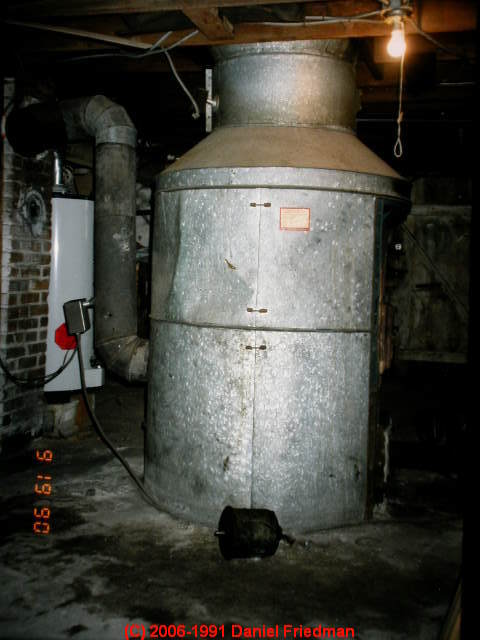
 This document presents a detailed methodology for inspecting, diagnosing, & repairing defects on residential heating systems
with attention to inspection methods selected to assure completeness, accuracy, and the maximum level of defect detection.
This document presents a detailed methodology for inspecting, diagnosing, & repairing defects on residential heating systems
with attention to inspection methods selected to assure completeness, accuracy, and the maximum level of defect detection.
[Click to enlarge any image]
The heating system inspection methodology described here serves as a guide to the forensic diagnostic inspection of any complex system where the highest probability of detecting important safety or operating defects is important.
We describe organized procedures for inspecting complex systems for defects, without losing the ability to discover unexpected problems as well.© Copyright Daniel Friedman 2012 - 2015 all rights reserved - - Tri-State ASHI Home Inspection Education Seminar - Initial Presentation November 6-7, 1993 -- Last update 08/03/2012
How to Relate Heating System Inspection Procedures to Home Inspection Standards of Practice
This presentation follows a procedure for inspecting, using heating system operating sequence as a method to assure that all important system components are considered. A version of the ASHI Standards of Home Inspection Practice (readers should check most recent Standards version for changes) is mapped into this heating system inspection procedure but does not guide the actual inspection sequence.
The organization of home inspection standards is not intended as a guide to an inspection sequence nor as a guide to heating system inspection reports. Home Inspection Standards requirements during the inspection of a home heating system are identified in italics in the text below.
HEATING INSPECTION CONCEPTS - How to Select an Inspection Methodology for Heating System Inspection & Diagnosis
Step 1: Select a Heating System Inspection Road Map to Guide the Inspection Sequence
 In order to be as thorough, accurate, and safe as possible, a heating system inspector should use a well-defined order of discovery
which assures that s/he examines all important heating system components.
In order to be as thorough, accurate, and safe as possible, a heating system inspector should use a well-defined order of discovery
which assures that s/he examines all important heating system components.
Several possible heating system inspection "road maps" can be used for this purpose. Two approaches inspect the heating equipment by physical layout of components, or by inspecting the heating system in the detailed order that it will operate during the heating system operating cycle.
Of these "heating system inspection road maps", the first of these inspection methods is physically convenient, that is: inspect each heating system component where each is located in each building area, and this is the most common approach in use in the field.
But but it is the second option, heating boiler or furnace operating sequence, that best assures that the inspector considers proper system operation and that s/he identifies all of the system components.
Thinking thorough the sequence of steps in operation of a home heating system requires that the inspector understand how heating systems work. An inspector who cannot follow this sequence does not understand heating system operation and is rather likely to miss important system defects.
So how should a heating system be inspected? For efficiency the inspector may decide to examine each system component as s/he enters the area of the building where that component resides. So all heater components in the basement or crawl space are examined in one pass while the inspector is in that area, and so on.
But in thinking about the completeness and accuracy of the heating system check the inspector should also think through the system's operating sequence, using the components identified in that sequence to assure that s/he has not omitted something important.
Why is this second thought pattern needed? Because it is always easier to inspect and think about a building component that we see than to think about a component that is simply absent. In other words, if there is no temperature or pressure relief valve to see On a boiler, the inspector may fail to think about whether or not this is a serious safety hazard for the particular installation.
How to Inspect a Heating System using Physical Location of Components
This approach broadens the scope of the heating system inspection and it may aid in heating system defect recognition or problem diagnosis, for example by observing that a heating boiler is located in a small, air-tight room (possible combustion air problems), or that the furnace is quite close to the oil storage tank.
- Identify the heating system components in each building area.
- At the heating boiler or furnace, identify the fuel source and follow fuel supply piping to its source (an oil tank, LP gas tank, or gas meter, for example).
- At the boiler or furnace, identify the heat distribution method and follow the delivery of heat (warm air or hot water) leaving the furnace or boiler, and returning to it. Failure to consider this whole path logically risks failing to notice potential problems such as return air taken at a furnace itself or the absence of adequate return air.
- At the boiler or furnace identify each of the controls and safety devices and observe their condition. Those devices that are intended for normal operation by the home owner are usually also operated and tested by the inspector. Other devices such as temperature/pressure relief valves are not normally operated but are visually inspected for evidence of a problem.
How to Inspect a Heating System Using the Sequence of Heating System Operation
This approach to heating system inspection Identifies most components of heating systems or of other mechanical systems and is most likely to give the most complete list system parts. It helps assure that all critical components are considered. Actual observation of heating system operation is important in enabling the inspector to identify malfunctions. The heating boiler or furnace inspector's field procedure should include this aid.
A detailed example of the steps in the sequence of operation of a heating system along with a detailed list of heating system components is provided below at Sample Inspection Procedure for Heating Equipment.
The Importance of Reporting to the Client the Significance of Heating System Defects
A superficial heating system inspection may simply identify the type of system present and perhaps the presence of obvious visual anomalies such as leaks. But an astute inspector understands more thoroughly the implications for safety or function of the defects that s/he observes and thus is more likely to inspect the heating system more thoroughly and is more likely to report the inspection findings in a meaningful way to the client.
It is essential that a heating system inspector clearly communicate to the client the significance of the inspection results. In other words, the client should be given to understand the need for action, or urgent action, the presence of unsafe conditions, or the indications that costly repairs or replacement are likely to be needed immediately or in the coming year or before next heating season.
The Importance of Thinking about the Possible Significance of Home Inspection Observations
Here are two examples of the difference between simply reporting a home inspection observation neutrally and thinking about the significance of a home inspection observation in a way that might lead to discovery of something important about a heating system.
Example Outdoor Inspection Observation: drip lines below roof eaves
Observation: The heating system inspector, before entering the home, observes outside that there are deep drip lines in the soil below the home's roof eaves. Drip lines indicate that there has been long term poor control of roof runoff.
Implications: especially if the home is heated by a furnace located in the basement or crawl space, watch out for signs of rusting of the furnace heat exchanger, particularly in steel hot-air furnaces. A rusted and thus leaky furnace heat exchanger is a possibly dangerous condition, risking high Carbon Monoxide CO levels in the building - a condition that can lead to a fatality - someone could die.
Action: look inside for corroborating clues first of water entry and second of rust on the furnace or its components. Test or recommend testing of heat exchanger for leaks and safety.
An Example of Neutral (irresponsible) home inspection reporting of heating system condition:
Outside we observed roof overflow or drip lines below the house eaves.
Inside, A BrandX natural-gas fired 90,000 BTUH steel hot air furnace heating system is installed. The system appears to be 20 years old. In response to turning up the heat we observed that the system operated normally: heat came out of the air supply registers. (Our inspection excludes heating system disassembly and therefore cannot examine the condition of the furnace interior components. You should have the system inspected by a qualified technician.
An Example of More-responsible home inspection reporting of heating system condition:
Outside we observed roof overflow or drip lines below the house eaves. This means that water has been spilling by the house foundation for a long time, that roof gutters and downspouts are needed, and that the home may have been exposed to a history of water entry or leaks which in turn could cause problems indoors.
Inside, A BrandX natural-gas fired 90,000 BTUH steel hot air furnace heating system is installed. The system appears to be 20 years old and based on age alone is likely to be at or near the end of its useful life - significant expense will be involved when furnace replacement is needed.
In response to turning up the heat we observed that the system operated normally: heat came out of the air supply registers. Our inspection excludes heating system disassembly and therefore cannot examine the condition of the furnace interior components.
However, we observed heavy rust on the bottom of the furnace and other evidence of a history of water entry in the basement. A furnace exposed to these conditions is at extra risk of hidden rust damage such which could include a leaky heat exchanger. If the heat exchanger is leaking this heating system would be unsafe, should not be used, and would almost certainly require immediate replacement - a significant expense.
We recommend that before completing purchase of the home, and certainly before using the system in the coming heating system, you should have the furnace inspected and tested by a qualified technician, and you should specifically ask the technician to make a thorough inspection and test of the furnace heat exchanger for leaks and safety.
For effective examination of any complex structure, the professional uses all of these tools
Addressing the question of completeness of coverage of components, for a thought-guide to inspecting heating equipment we selected Sequence of Operation as a model.
It is the possible significance of a home inspection observation that leads a good inspector to examine the property further for confirmation or refutation of the presence of a possibly serious building defect. We discuss this concept of thinking carefully about and pursuing possible implications of home inspection observations as a way to assure that an inspection is thorough and as a means to minimize the chances of missing an important condition at a property, in these articles:
- Can X-Ray Vision Warn of Sink Holes? in Florida or elsewhere
- Developing your X-Ray Vision - 6th Ed. The Science of Building Inspections - advanced home inspection techniques including "The Limits of Vision," "Inattentional Blindness," "Invasive Inspection Methods," "Missed Defects," & "Contextual Inspection," "Termite Inspections," "Moisture & Building Water Entry," © Daniel Friedman 2006-1987
- Developing your X-Ray Vision - 5th Ed.- ppt slides Presentation slides © 2005 Daniel Friedman
- The Nature of Vision, Inspecting Complex Systems,why inspectors don't see certain defects and miss important omissions
Step 2: Select a Heating System Inspection Viewpoint to Maximize Defect Detection
- Broad or distant inspection viewpoint: example: is the building in a flood plain?
- Close or detailed heating system viewpoint: example: is there severe rust inside the furnace return air plenum base?
- Combined broad and detailed views increase the chances of finding important heating system defects
When inspecting heating systems, while a dramatic and obvious visual clue such as severe rust on a furnace may catch our attention (beware of attention capture errors which make you miss something else), we usually start with broad views, examine further with detailed views, and again make final checks with a broad view.
For home inspections in general because many building systems and conditions affect one another (no gutters, wet basement, rusted furnace, dangerous conditions), a broad view is appropriate for most topics, even where a detailed examination is always made.
Step 3: Observe, Record, & Report Actual or Probable Heating System Defects
- Apply a well-defined methodology using
- Distant heating system views
- Detailed heating system views
- Final distant views
What sort of defects should you look for when inspecting a heating system?
- Improper Heating System Construction/Installation
- Improper Heating System function
- Heating System Damage
- Missing Heating System Components
- Clues of potential heating system defects
What do your heating system inspection observations actually mean?
- Report the basic identification data required by home inspection practice
- Report unsafe conditions
- Report evidence of system malfunction or visually obvious inadequacy (e.g. no return air to a furnace)
- Report conditions likely to require significant cost to repair or replace
- Think about remote impacts on other systems
Examples of Small Heating System Clues with Big Heating System Implications
- Leaky oil at an oil burner ignition transformer: watch for back pressure in combustion chamber--watch out for blocked heating flue or blocked chimney - these would be unsafe, or the heater may be unreliable. An unreliable heater can lead t frozen burst pipes and costly building damage. A blocked chimney could lead to a potentially fatal carbon monoxide hazard.
- Unusual interior moisture conditions, noises, smoke, or odors during heating season--watch for blocked chimney or poor flue vent connections
- Equipment recalls: Specific heating system problem brands Repco, Blueray etc.
[Do not confuse Repco™ heating boilers, which had fire chamber and other failures, with other products (REPCO pumps, REPCO controls, REPCO water conditioners, or water treatment that carry the Repco name. Those products are distinct from REPCO heating boilers and are produced/distributed by the R.E. Prescott Company. Further, we are unaware of any remaining warranty or replacement support for failed or antiquated Repco heating boilers.] - BLUE vs YELLOW COMBUSTION FLAMES - the Blueray history and blue flame vs. yellow flame combustion, flame color & combustion efficiency, & how oil competes with gas as a heating fuel.
- Blueray Heating Boilers/Furnaces Safety Recall by the US CPSC, with additional history, photos, and technical details; Blue Flame Blue Ray
- Carbon Dioxide Gas Toxicity
- Carbon Monoxide Gas Toxicity, exposure limits, building inspection for CO hazards
- DUST, HVAC CONTAMINATION STUDY An Investigation of Indoor Dust Debris Blamed on a Heating/Cooling System Reveals Carpet Dust
- Goodman Furnace High Temperature Plastic Vent HTPV safety recall US CPSC notice
- Home Heating System Should Be Checked[for proper venting and for CO Carbon Monoxide Hazards - DJF]
- Inspection Procedures for Oil-Fired Heating Systems Detailed step by step approaches for inspecting complex systems]
- Lennox Pulse Furnace Safety Inspection/Warranty Program: Carbon Monoxide Warning
- Oil Tanks - The Oil Storage Tank Information Website: Buried or Above Ground Oil Tank Inspection, Testing, Cleanup, Abandonment of Oil Tanks
- Oil Tanks Above Ground, UL Standards, guidance for home owners, buyers, and inspectors
- Home Inspection Report Language Library: Gas Fuel Piping or Tank Faults Basic advice - home inspection report language suggestions
- Home Inspection Report Language Library: Buried Oil Tanks, Basic home buyer advice - home inspection report language suggestions
- Home Inspection Report Language Library: Defects in Oil Tank Installations, Tanks, and Heating Oil Piping
- Plastic Heating Vent Pipe & Other Heating Safety Recall Notices
- Weil McLain Model GV Gas Boiler/gas valve CPSC recall/repair
PREPARATION - How to Prepare in Order to Assure a Thorough Heating System Inspection
Here we explain how to prepare for and control the inspection process.
When inspecting any building or building component the inspector should generally proceed in this simple order: Look, Think, Understand/Speculate-wait, Write, Speak. We've found that if we start talking too soon we often have to change our mind about the importance of what we've seen as further inspection and new clues produce more data.
We've found that if we start talking before we've written down our observations, there is a real risk that our final notes and report may be incomplete and may not coincide perfectly with what we said to the client during the inspection. Any substantive differences in observations or conclusions between the onsite oral report and the written inspection report are an invitation to misunderstanding or worse.
Before the Heating Inspection
Prior education & experience of the inspector: a good heating system inspector prepares by knowledge (education and experience) and attitude (for whom ins the inspector working and how diligent is the inspector going to be?). An inspector who schedules many inspections in a given day is unlikely to have the time nor the ability to attend to those details that make for a competent and responsible job.
at the Office - when the inspection order is taken Obtain Advance Information
- Age of house--how old might the heating (and other) equipment be?
- Location (neighborhood)--is it a builder's development with all boilers of a particular problem-brand?
- Price range--is it a higher priced house likely to have more costly equipment or multiple heating systems?
- Type of house--large "H" ranch (one story) may have two separate furnaces
- Buyer's concerns--comments about heating system volunteered by client?
- Is the home occupied? Has the heating system been winterized or has it been left on and operating?
- If home has not been winterized, has the seller agreed to have the equipment turned on and working or has s/he given permission to the inspector to turn on the system?
- Was work on the heating system performed by the seller or by amateurs? IE: "the owner converted the basement" [and did heating and electrical work?]
Driving to the inspection
- The inspector should be rested, healthy, attentive, and with his/her mind on work
- If not, the inspector must recognize that extra effort will be needed to tune attention to the task about to begin.
- Do not perform an inspection if the inspector are seriously ill or distracted. Life-safety issues may be missed.
- Turn off the radio and stop taking cell calls a mile or so before reaching the house.
- Think about the upcoming inspection process.
- Tune the inspector's mind to the task at hand.
- Observe the neighborhood, age of houses, quality of maintenance, heavy trees (funny winds and flue draft problems or squirrels in chimneys).
What to Do When Arriving at a Building Inspection
On arriving at a building inspection in preparation for inspection of the heating system or any other building or building system or component here are some steps that aid in assuring that the inspector's attention will be fully focused on the job at hand:
- Turn off the car ignition and sit for just a moment.
- Exhale fully.
- Calm yourself for a moment before getting out of the car, before stepping into the sea of seller and buyer anxiety and sometimes the cold acrid wind of realtor fear.
CONTROL ATTENTION - How to Focus Attention to Assure a Thorough Heating System Inspection
The Heating System or Home Inspector MUST Control the Inspection Process
- The inspector must be in control of the entire inspection process.
- Do not permit an owner or realtor to lead the inspection by area, topic, nor discussion. These parties are not inspection professionals and their interests may not coincide with those of the building buyer or inspector, and they can distract and prevent an inexperienced inspector from making important observations.
- How to politely regain inspection control: If the realtor or owner says "We'll start the inspection in room A" the inspector should usually reply "sorry but I always begin at X" - some other area, and head in the direction of "X". Do this even if you intended to head for "A". [Thank you John Annunziata, P.E., NY METRO ASHI 1986 for this tip]
- The inspector should invite questions and can be aided when a client notices and asks about something that the inspector has not addressed. More eyes looking are always helpful
- Do not permit distractions. Focus must be on the building and its components, then on clients to assure that the inspector's explanations are understood.
How to pay close attention for hours at a time: without the audible use of Zen mantras or other eyebrow-raising behavior the inspector must be calm, relaxed, and completely focused on the process of inspection.
How to Pay Attention During the Heating System Inspection
- Home inspection is paying attention to everything, simultaneously. Each observation at every step might reveal a key which will trigger an important discovery later in the inspection.
- The inspector must focus on a sequence of examination of minute details.
- Simultaneously the inspector must remain open to the unexpected findings or ideas. The unexpected may be suggested by a detail under examination or it may intrude from the inspector's peripheral.
- It is easier to notice the presence of a defect of commission (leaking relief valve) than a defect of omission (no relief valve installed). "Psychology and nothing," Eliot Hearst, American Scientist, Sept.-Oct. 1991 pp 432-443. Every home inspector can improve his/her inspection technique by reading this article. Recognizing and learning from absence, deletion, and nonoccurrence are surprisingly difficult. Thinking through sequences of construction or of operation of equipment can help find omissions.
Use techniques to stay focused, to avoid mistakes,
How to avoid heating system errors and omissions:
- Balance Inspection Procedure & Randomness: Practice a balance between an orderly method or procedure which assures completeness and sufficient random steps in the process to avoid becoming routinized. When an inspection is done by "routine" or "habit" the inspector sees only what is in the habitual mental "list".
- Do not rely only on written heating system inspection checklists: Otherwise the inspector will observe only what's on the checklist and may miss glaring defects. Inspect the house and use your checklist to record it easily. Do not fit the house to the checklist.
- Deliberately vary the inspection order and routine:: once an inspectors heating system inspection procedure is well established and familiar s/he should deliberately vary some of its components at every inspection. Change an order, reverse a sequence.
Heating System Inspection Final Check Thought Process
- Hot heating water movement from house supply into boiler, through circulating equipment.
- Fuel movement from tank through burner up flue and chimney.
- Air movement into house and to burner and up flue and chimney.
- Air movement inside duct work (for furnaces)
- Complete operation sequence reviewed?
- Other building conditions observed which raise questions?
wet basement, poor housekeeping, poor maintenance, extensive building additions may stretch boiler capacity, ... - What's missing ?
- Did we leave the system operating normally?
...
Continue reading at HEATING INSPECTION PROCEDURE-GENERAL or select a topic from the closely-related articles below, or see the complete ARTICLE INDEX.
Or see these
Recommended Articles
- BUILDING INSPECTION CURRICUM & CHECKLISTS
- DEFECT CLUSTERS at HOME INSPECTIONS
- HEATING SYSTEM INSPECTION - home
- HEATING INSPECTION CONCEPTS
- HEATING INSPECTION PROCEDURE-GENERAL
- HEATING SYSTEM INSPECTION DETAILS
- INDOOR INSPECTION of HEATING SYSTEM
- HEATING BOILER INSPECTION GUIDE
- HEATING FURNACE INSPECTION GUIDE
- FINAL BOILER/FURNACE ROOM INSPECTION CHECKS
- GAS BURNER FLAME & NOISE DEFECTS
- GAS BURNER SOOT CAUSE & CURE
- GAS BURNER PILOT LIGHT PROCEDURE
- OIL BURNER INSPECTION & REPAIR
- HEATING SYSTEM SAFETY INSPECTION
- SAFETY RECALLS CHIMNEYS VENTS HEATERS
Suggested citation for this web page
HEATING INSPECTION CONCEPTS at InspectApedia.com - online encyclopedia of building & environmental inspection, testing, diagnosis, repair, & problem prevention advice.
Or see this
INDEX to RELATED ARTICLES: ARTICLE INDEX to HEATING SYSTEMS
Or use the SEARCH BOX found below to Ask a Question or Search InspectApedia
Ask a Question or Search InspectApedia
Questions & answers or comments about how to inspect the condition of residential heating systems & equipment
Try the search box just below, or if you prefer, post a question or comment in the Comments box below and we will respond promptly.
Search the InspectApedia website
Note: appearance of your Comment below may be delayed: if your comment contains an image, photograph, web link, or text that looks to the software as if it might be a web link, your posting will appear after it has been approved by a moderator. Apologies for the delay.
Only one image can be added per comment but you can post as many comments, and therefore images, as you like.
You will not receive a notification when a response to your question has been posted.
Please bookmark this page to make it easy for you to check back for our response.
Our Comment Box is provided by Countable Web Productions countable.ca
Citations & References
In addition to any citations in the article above, a full list is available on request.
- Domestic and Commercial Oil Burners, Charles H. Burkhardt, McGraw Hill Book Company, New York 3rd Ed 1969.
- National Fuel Gas Code (Z223.1) $16.00 and National Fuel Gas Code Handbook (Z223.2) $47.00 American Gas Association (A.G.A.), 1515 Wilson Boulevard, Arlington, VA 22209 also available from National Fire Protection Association, Batterymarch Park, Quincy, MA 02269. Fundamentals of Gas Appliance Venting and Ventilation, 1985, American Gas Association Laboratories, Engineering Services Department. American Gas Association, 1515 Wilson Boulevard, Arlington, VA 22209. Catalog #XHO585. Reprinted 1989.
- The Steam Book, 1984, Training and Education Department, Fluid Handling Division, ITT [probably out of print, possibly available from several home inspection supply companies] Fuel Oil and Oil Heat Magazine, October 1990, offers an update,
- Principles of Steam Heating, $13.25 includes postage. Fuel oil & Oil Heat Magazine, 389 Passaic Ave., Fairfield, NJ 07004.
- The Lost Art of Steam Heating, Dan Holohan, 516-579-3046 FAX
- Principles of Steam Heating, Dan Holohan, technical editor of Fuel Oil and Oil Heat magazine, 389 Passaic Ave., Fairfield, NJ 07004 ($12.+1.25 postage/handling).
- "Residential Steam Heating Systems", Instructional Technologies Institute, Inc., 145 "D" Grassy Plain St., Bethel, CT 06801 800/227-1663 [home inspection training material] 1987
- "Residential Hydronic (circulating hot water) Heating Systems", Instructional Technologies Institute, Inc., 145 "D" Grassy Plain St., Bethel, CT 06801 800/227-1663 [home inspection training material] 1987
- "Warm Air Heating Systems". Instructional Technologies Institute, Inc., 145 "D" Grassy Plain St., Bethel, CT 06801 800/227-1663 [home inspection training material] 1987
- Heating, Ventilating, and Air Conditioning Volume I, Heating Fundamentals,
- Boilers, Boiler Conversions, James E. Brumbaugh, ISBN 0-672-23389-4 (v. 1) Volume II, Oil, Gas, and Coal Burners, Controls, Ducts, Piping, Valves, James E. Brumbaugh, ISBN 0-672-23390-7 (v. 2) Volume III, Radiant Heating, Water Heaters, Ventilation, Air Conditioning, Heat Pumps, Air Cleaners, James E. Brumbaugh, ISBN 0-672-23383-5 (v. 3) or ISBN 0-672-23380-0 (set) Special Sales Director, Macmillan Publishing Co., 866 Third Ave., New York, NY 10022. Macmillan Publishing Co., NY
- Installation Guide for Residential Hydronic Heating Systems
- Installation Guide #200, The Hydronics Institute, 35 Russo Place, Berkeley Heights, NJ 07922
- The ABC's of Retention Head Oil Burners, National Association of Oil Heat Service Managers, TM 115, National Old Timers' Association of the Energy Industry, PO Box 168, Mineola, NY 11501. (Excellent tips on spotting problems on oil-fired heating equipment. Booklet.)
- Our recommended books about building & mechanical systems design, inspection, problem diagnosis, and repair, and about indoor environment and IAQ testing, diagnosis, and cleanup are at the InspectAPedia Bookstore. Also see our Book Reviews - InspectAPedia.
- In addition to citations & references found in this article, see the research citations given at the end of the related articles found at our suggested
CONTINUE READING or RECOMMENDED ARTICLES.
- Carson, Dunlop & Associates Ltd., 120 Carlton Street Suite 407, Toronto ON M5A 4K2. Tel: (416) 964-9415 1-800-268-7070 Email: info@carsondunlop.com. Alan Carson is a past president of ASHI, the American Society of Home Inspectors.
Thanks to Alan Carson and Bob Dunlop, for permission for InspectAPedia to use text excerpts from The HOME REFERENCE BOOK - the Encyclopedia of Homes and to use illustrations from The ILLUSTRATED HOME .
Carson Dunlop Associates provides extensive home inspection education and report writing material. In gratitude we provide links to tsome Carson Dunlop Associates products and services.
 | HOME | ABOUT | ASK a QUESTION | CONTACT | CONTENT USE POLICY | DESCRIPTION | POLICIES | PRIVACY | |
| © 2024 - 1985 Publisher InspectApedia.com - Daniel Friedman | |||||||||